
Are You Gen Z or a Millennial? What the Quiz Reveals
Online quizzes such as BuzzFeed’s “Are You Gen Z, A Millennial, Or A Zillennial” are less about strict birth years and more about shared cultural touchpoints. For UK readers, these quizzes offer a playful but revealing lens on how generational identity is formed through media, technology, and social habits, rather than through dates on a passport. The results often feel accurate because they tap into memories, not statistics.
Table of Contents
- What are the specific birth years that define Gen Z, millennials, and zillennials?
- How do quizzes like this decide whether you are Gen Z or a millennial?
- What cultural references separate a zillennial from a millennial or Gen Z?
- How do technology and social media habits differ across these generations?
- Why do these quizzes rely on nostalgia and memory rather than statistics?
- How well do these quizzes translate to a UK audience?
- What can a quiz result tell you about your actual generational identity?
- Key Takeaways
- References
What are the specific birth years that define Gen Z, millennials, and zillennials?
Most sources agree that the youngest millennials were born between 1994 and 1996, according to the BuzzFeed cusper quiz. This places the cusper or zillennial window roughly in the mid-to-late 1990s. The exact boundary remains a matter of debate among researchers and institutions.
Gen Z typically follows the millennial cutoff, though different organisations use slightly different starting points. Some begin Gen Z in 1997, while others use 1995 or 2000. The lack of a single official definition means that generational labels are often more fluid than they appear.
The term “zillennial” is not an official demographic label. It functions as cultural shorthand for people born on the cusp who feel connected to both generations without fully belonging to either. The quizzes themselves rarely state birth years, focusing instead on lived experience and memory.
How do quizzes like this decide whether you are Gen Z or a millennial?
The scoring is based on cultural markers rather than a formal methodology or statistical model. BuzzFeed quizzes use questions about television, music, technology, and childhood habits as proxies for generational belonging. Each answer is weighted toward one generation or another, but the system is designed for entertainment value rather than academic precision.

Questions ask about specific memories, such as writing on VHS tapes with sharpies or ranking a Top 8 on MySpace, according to the BuzzFeed cusper quiz. These memory triggers are effective because they separate people who experienced a technology firsthand from those who only know it secondhand.
The quiz format is built for shareability and social engagement. People take the quiz, feel seen by the result, and post it online. The accuracy of the generation label matters less than the emotional response it produces. No statistical model or demographic data underpins the final verdict.
What cultural references separate a zillennial from a millennial or Gen Z?
Zillennials grew up on shows like Rugrats and All That, while seeing Full House mostly through reruns, according to the BuzzFeed zillennial quiz. This distinction captures the cusper experience: old enough to remember original programming but young enough to have missed its first broadcast era.
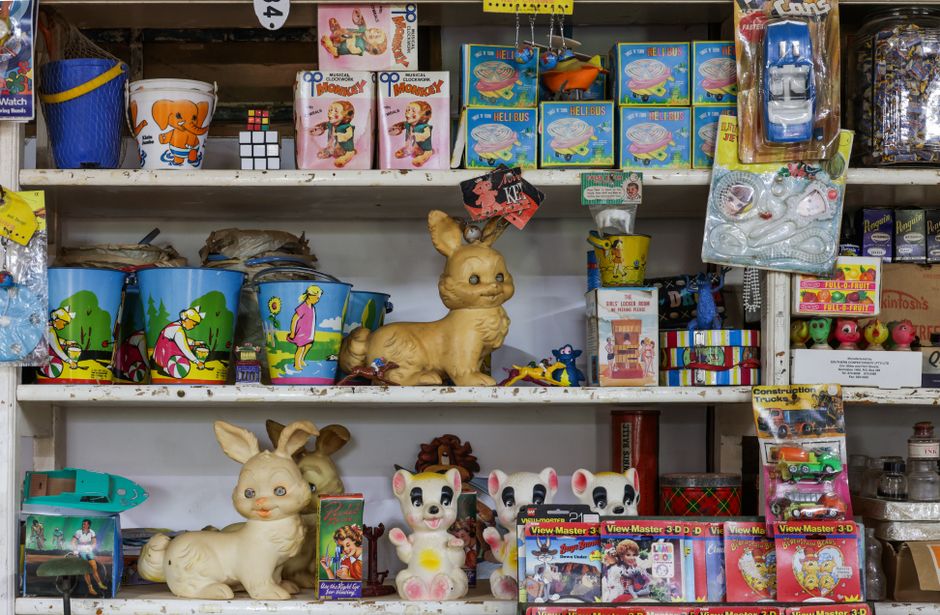
Hybrid media experiences define the zillennial childhood. Many had both VHS tapes and DVDs in the home, and some remember when Netflix mailed physical discs before streaming became dominant. These transitional moments sit between the analogue childhood of millennials and the digital-native upbringing of Gen Z.
Technology also marks the divide. Zillennials often had a flip phone or Sidekick as their first mobile, and they remember when unlimited texting was not the norm. The shift from keypad phones to smartphones happened during their teenage years, giving them a foot in both worlds.
Even food preferences are used to sort generations. The BuzzFeed food quiz asks respondents to choose meals and snacks, then guesses whether they are Gen Alpha, Gen Z, or a millennial based on those choices. The quiz treats taste as a generational fingerprint.
How do technology and social media habits differ across these generations?
Zillennials often had Facebook as their first social media platform, being too young for Myspace, according to the BuzzFeed zillennial quiz. This timing places them between millennials who built MySpace profiles and Gen Z users who grew up with Instagram and Snapchat.
Specific behaviours mark this group. Zillennials participated in Facebook poke wars and downloaded TikTok ironically, initially thinking the app was lame and associating the name with the Ke$ha song. The platform that later defined Gen Z culture was, for zillennials, a joke before it became a habit.
The early YouTube era was formative for zillennials. They watched creators like Fred, Annoying Orange, and Ryan Higa before the term “influencer” existed. These figures were entertainers, not marketing channels, and the viewing experience felt more like a shared inside joke than a commercial ecosystem.
Millennials, by contrast, remember the early days of social networking through MySpace Top 8 rankings and custom profile pages, according to the BuzzFeed cusper quiz. The difference is not just which platform came first but how each generation understood the purpose of being online.
Why do these quizzes rely on nostalgia and memory rather than statistics?
Nostalgia is a powerful engagement tool because it prompts personal reflection and sharing. When a quiz asks about visiting Blockbuster or playing Club Penguin and Webkinz, it triggers a specific emotional response that feels more meaningful than a birth year ever could. The memory becomes the evidence.
The quizzes use these memory triggers to create a sense of shared identity among strangers. People who remember the same childhood media feel connected to one another, even if they never met. This communal experience is part of what makes the quiz format so popular and so widely shared online.
The emotional pull of remembering childhood media makes the quiz feel personal and accurate, even without data. A result that says “zillennial” resonates because it reflects a real set of experiences, not because it is statistically verified. The BuzzFeed video quiz captures this dynamic, with participants laughing at their own uncertainty about which generation they belong to.
The lack of demographic or statistical backing is a known limitation of the format. These quizzes are entertainment products, not research instruments. Their value lies in the conversation they generate and the memories they surface, not in their methodological rigour.
How well do these quizzes translate to a UK audience?
Many references, such as Blockbuster and MySpace, were present in the UK but may carry different weight or timing. Blockbuster operated in Britain, but its cultural prominence peaked at a slightly different moment than in the United States. UK readers may recognise the brand without feeling the same nostalgic pull.
US-specific television shows like All That or Suite Life aired differently or less prominently in Britain. A UK reader taking the BuzzFeed zillennial quiz may encounter questions about programmes they never watched, which skews the result.
British childhoods included distinct programming, such as CBBC and CITV, which these quizzes do not account for. Shows like Grange Hill, Byker Grove, or The Demon Headmaster shaped UK generational identity but are absent from the American quiz framework. The cultural gap is real.
UK readers should treat the results as a loose guide rather than a definitive label. The quizzes can still be fun and revealing, but their US-centric references mean that a British user’s result may reflect partial familiarity rather than true generational alignment.
What can a quiz result tell you about your actual generational identity?
The quizzes capture a cultural identity that often sits between generations, which is why many zillennials do not claim either label outright. The BuzzFeed zillennial quiz describes this group as having wanted to be millennials when younger but now relating more to Gen Z.
Zillennials often relate to Gen Z slang but encounter new words they do not understand, showing a partial overlap. This linguistic limbo is a defining feature of the cusper experience. They are fluent enough to follow the conversation but not native enough to lead it.
The quizzes reflect a desire to belong to a group, even when the lines are blurred. People take these tests not to receive a scientific classification but to find a label that fits their lived experience. The BuzzFeed generation quiz offers that label in a format that feels personal.
The value of the quiz is in the conversation it starts, not the verdict it delivers. A result of “zillennial” or “cusper” opens up discussion about what it means to grow up between two eras. That conversation is more useful than any single answer.
Key Takeaways
- The youngest millennials are generally considered to have been born between 1994 and 1996.
- Zillennial quizzes use cultural markers such as VHS tapes, Blockbuster visits, and Club Penguin to determine generational fit.
- Zillennials often had Facebook as their first social media platform and were too young for Myspace.
- The quizzes contrast references such as the Kesha song “Tik Tok” with the TikTok app to separate generations.
- UK audiences may find some quiz references unfamiliar, as many touchpoints are rooted in US pop culture.
- The quizzes are designed for entertainment and sharing, not as a formal demographic or statistical tool.
- Zillennials frequently relate to Gen Z slang but admit to encountering new words they do not understand.
References
news via inbox
Sign up to our newsletter to receive the latest news straight to your inbox
